Lyallpur and Sandal Bar. Restoration of historical identity


94 news
Tremolo: Subhan Ali, Deputy Director of Public Relations( Retired)
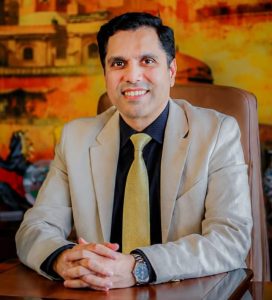
Faisalabad Division Commissioner Dr. Imran Hamid Sheikh's proposal to change the names of the present Tehsil City and Tehsil Sadr of Faisalabad to "Tehsil Lailpur" and "Tehsil Sandal" respectively is an extremely important and commendable effort. This initiative appears to be administrative in nature, but in reality there is a broader concept of preserving the history, civilization, culture, geographical identity and collective heritage of the entire region. Commissioner Faisalabad through a letter drawing the attention of Deputy Commissioner Faisalabad to this important matter, not only highlighted the historical status of Faisalabad and the background of the names, but also proposed to harmonize the names of the existing tehsils with the historical identity. He directed to discuss the matter in the district coordination committee meeting and send recommendations to the competent authority if deemed appropriate. Undoubtedly, this is a positive and forward-looking initiative that should be appreciated by the historical heritage loving circles, intellectuals, historians, social leaders and citizens of Faisalabad. The real identity of a city is not only its buildings, roads, commercial centers and modern development projects, but its history, culture, traditions and historical names are also the main part of its identity. Nations that remember their past and protect their historical heritage, are able to maintain their distinct identity in the future. Faisalabad is an important industrial, commercial, agricultural and economic center of Pakistan. It is also known as the center of textile industry of the country. This city has played a significant role in the development of the country's economy, industry, agriculture, trade and employment in the periods before and after the establishment of Pakistan. Today, Faisalabad's identity as a developed industrial city is present all over the world, but behind this modern identity lies a long historical journey. The past of this city, its foundation, its planning, its ancient name and the historical areas settled in its surroundings all together form its unique identity.
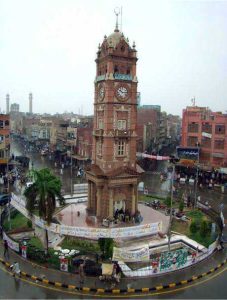
It is noteworthy that the present name of Faisalabad was adopted at a later period, while the historical identity of the city has been associated with the name of Lyallpur. The name of Lyallpur holds an important place in the history of this region. This is the name under which the city embarked on its journey of early civic, administrative, commercial and economic development. Therefore, the proposal to re-attribute the present tehsil city to the historical name "Lyalpur" is actually an attempt to maintain the historical continuity of the city. This will not only make the new generation aware of the past of their city but also highlight the importance of the historical name. Lyallpur is not just an old name but it is a symbol of the city's early urban history, administrative evolution and cultural formation. During the British period, this area was developed under systematic urban planning. The city's famous eight-bazaar Clock Tower map is also a prominent masterpiece of this planning, which is considered to be a symbol of Faisalabad's identity and historical heritage even today. The eight bazaars established around the Clock Tower not only formed the basis of the city's trading system but also gave a unique dimension to its urban life, social connections and business activities. Even today, Ghanta Ghar and its surrounding markets are the most important centers of Faisalabad's historical identity. Named as Lyallpur, the city has seen many stages of industrial development, agricultural production, business activities and urban expansion over time. Despite its name change, the historical memories of Lyallpur are still part of the collective consciousness of the city. Even today, senior citizens of the city refer to Lyallpur with reference to their past. For the older generation, the name is associated with memories of their childhood, youth, family traditions, business trips and the city's early development. This is the reason why the name of Lyallpur has a special historical and emotional significance even today. Renaming the tehsil city as Lyallpur can give this historical heritage a new identity at the administrative level. Through this initiative, the history of the city can be made a part of everyday administrative identity instead of being limited to books, documents and historical buildings. Another important aspect of Commissioner Faisalabad's proposal is related to naming the present Tehsil Sadar as "Tehsil Sandal". This proposal also has extraordinary importance from historical, geographical and cultural point of view. Sandal Bar is the historical landmark of this vast region which includes many areas of Faisalabad and its surroundings. The term bar has been used in the historical geography of Punjab for specific natural and land regions. The name Sandalbar is closely related to the region's ancient geographical identity, land, agriculture, population and social evolution. The region is notable for its agricultural lands, natural resources, traditional lifestyle, rural culture and working population. The people here, through their hard work, courage and determination, played a fundamental role in making the barren and uninhabited lands cultivable and taking the area on the path of agricultural and economic development. The historical importance of Sandalbar is not limited to geographical boundaries but it is also related to the ancient rural civilization of Punjab, local traditions, folklore, language, lifestyle and collective social life. Reinventing the original identity of the region is actually a tribute to the hard work and sacrifices of those who contributed to the settlement and development of the region.
Giving the name Sandal to Tehsil Sadar will not only give a new life to a historical term but will also give the future generations an opportunity to know about the original geographical and cultural identity of their region.
In the post of Commissioner Faisalabad, attention has also been drawn to the administrative history of the city and the district. According to the post, from 1896 to 1904, Faisalabad area was a tehsil of Jhang district and its name was Lyallpur. In 1904, when this tehsil was given the status of a district, the district was also named Lyallpur. Later, the name of the district remained Lyallpur until 1979, after which it was renamed as Faisalabad. Furthermore, in view of administrative needs and growing population, Faisalabad tehsil was divided into two parts, one named Tehsil City and the other named Tehsil Sadar. As a result of this administrative change, two names were introduced that mainly represent administrative divisions, but within them the historical and cultural identity of the region is not fully reflected.
Names like Tehsil City and Tehsil Sadar are administratively correct and understandable, but lack the historical depth and cultural association that names like Lyallpur and Sandal have. In this context, the proposal of Commissioner Faisalabad is very important that the present tehsil city and tehsil Sadar should be attributed with historical identity so that a strong connection can be established between administrative names and historical heritage.
If the history of the world is studied, it is known that the names of different cities, regions, rivers, mountains and historical places contain stories of many centuries. These names reflect the rise and fall of nations, cultural evolution, historical events, geographical features and social changes. A region's name is part of its collective identity. This name is passed down from generation to generation and keeps people connected to their native region. That is why in developed countries of the world, special measures are taken to preserve historical places, ancient names, cultural heritage and local identity. The restoration of historical names is considered an important means of cultural preservation and protection of national heritage. The suggestion of historical names like Lyallpur and Sandal for the tehsils of Faisalabad also reflects the same thinking.
This initiative will be a recognition of the fact that development does not mean only building modern buildings, building new roads or starting industrial projects but preserving our historical heritage is also a basic requirement of development. An important aspect of this proposal also relates to administrative identity and civic amenities. Commissioner Faisalabad has pointed out in his post that sometimes there is confusion in public regarding the names of existing tehsils. In Faisalabad, citizens from different areas, representatives of public and private organizations and others use historical terms like Lyallpur and Sandalbar to refer to their areas and places. Similarly, the identity of Lyallpur is prominent in the names of various commercial, educational, residential and other institutions. In such situations, establishing a clear relationship between administrative boundaries and historical names can facilitate citizens to understand the identity of their area.
However, in this regard, it will also be necessary to create proper coordination in all relevant government records, maps, administrative documents, public information and related digital systems after the name change so that the citizens do not face any practical problems. In today's modern age, the trend of the new generation is towards technology, modern education, social media and changing trends globally. This is a positive change, but it is equally important to be aware of your history, culture and traditions. Unfortunately, many of our youth are not fully aware of the historical significance, ancient names and cultural background of their own cities. They don't know when and why their city got its current name, what it was identified with before, and what stages the area went through historically to achieve its current development. If tehsil city is named Lyallpur and tehsil Sadar is named Sandal, these names will appear constantly in daily life, educational institutions, official documents and public discourse. In this way, students and youth will be curious to know the historical background of these names. Educational institutions will be able to organize special activities to expose their students to local history. Local historians, researchers and teachers will also have the opportunity to further research and write on the history of their region. This initiative can be an effective means of passing down local history to the new generation. Commissioner Faisalabad Dr. Imran Hamid Shaikh highlighting this important issue is a manifestation of his historical consciousness, administrative insight and commitment to the identity of his division. Administrative officers are generally focused on day-to-day office affairs, development projects, public issues, law and order and execution of government affairs. All these responsibilities are very important in their place, but thinking about preserving a region's historical identity and cultural heritage also requires a higher management vision. This effort of theirs is certainly commendable and it should be expected that the concerned authorities will also take this matter seriously and ensure positive progress. This effort of Commissioner Faisalabad Dr. Imran Hamid Sheikh to preserve the history of Faisalabad, restore its historical identity and enlighten the new generation with its past is definitely commendable.