
These cleaning hands are also the hands of Pakistan


Tremolo: Mian Nadeem Ahmed 94 news
ہم عید کی نماز کے لیے صاف ستھری سڑکوں سے گزرتے ہیں، مساجد اور بازاروں کے اطراف صفائی دیکھ کر اطمینان محسوس کرتے ہیں، گلیاں صاف ہوں تو اسے معمول سمجھ کر آگے بڑھ جاتے ہیں۔ لیکن کبھی ہم نے رک کر یہ سوچا ہے کہ جن ہاتھوں نے ہماری گلیاں، سڑکیں اور شہر صاف کیا، ان ہاتھوں کی حفاظت کون کر رہا ہے؟
فیصل آباد کی صفائی اور سیوریج کا نظام چلانے والے اداروں، خصوصاً فیصل آباد ویسٹ مینجمنٹ کمپنی اور واسا، میں بڑی تعداد میں ورکرز دن رات اپنی ذمہ داریاں انجام دیتے ہیں۔ ان میں ایسے کارکن بھی ہیں جو عرصہ دراز سے ڈیلی ویجز یا عارضی بنیادوں پر کام کر رہے ہیں۔ سوال یہ ہے کہ جو شخص برسوں ایک ہی نوعیت کا کام کرتا رہے، ادارے کے لیے مستقل ضرورت بن چکا ہو، تو اس کے مستقبل کے بارے میں کب سوچا جائے گا؟ کئی کئی ماہ انکو تنخواہ نہیں ملتی اپنی تنخواہ لینے کیلئے انکو احتجاج کرنا پڑتا سڑکوں پر نکلنا پڑتا۔
یہ سوال صرف ملازمت کی مستقلی کا نہیں، بلکہ انسانی وقار، معاشی تحفظ اور مساوی مواقع کا بھی ہے۔
خاص طور پر مذہبی اقلیتوں سے تعلق رکھنے والے صفائی کارکنوں کے حوالے سے یہ تاثر اور شکایات سامنے آتی رہی ہیں کہ انہیں ملازمت اور دیگر معاملات میں بعض اوقات تحفظات کا سامنا کرنا پڑتا ہے۔ یہاں یہ وضاحت ضروری ہے کہ تمام افسران یا تمام اداروں کو ایک ہی نظر سے دیکھنا درست نہیں۔ یقیناً بہت سے افسران اپنے فرائض دیانت داری اور انسان دوستی کے ساتھ ادا کرتے ہیں، لیکن جہاں کہیں کسی کارکن کے ساتھ ناانصافی کا احساس پیدا ہو، وہاں انتظامیہ کو اس کا نوٹس لینا چاہیے۔
کیونکہ آئین پاکستان کی نظر میں شہری کی قدر اس کے مذہب، رنگ یا طبقے سے نہیں بلکہ اس کی پاکستانی حیثیت سے ہوتی ہے۔
فیصل آباد میں مسیحی برادری سمیت مذہبی اقلیتیں شہر کی تعمیر و ترقی میں اپنا کردار ادا کر رہی ہیں۔ ویسٹ مینجمنٹ کمپنی ہو یا واسا، ان اداروں میں کام کرنے والے اقلیتی کارکن بھی اسی شہر کے رہنے والے ہیں، اسی ملک کے شہری ہیں اور اپنی محنت سے ملکی و شہری نظام کو چلانے میں حصہ ڈال رہے ہیں۔

ہماری عید آتی ہے تو یہی کارکن سڑکوں، بازاروں اور محلوں کی صفائی میں مصروف ہوتے ہیں۔ تہوار ہمارا ہو یا کسی اور کا، ان کے لیے ڈیوٹی کا وقت اکثر وہی ہوتا ہے جب باقی لوگ اپنے گھروں اور خاندانوں کے ساتھ خوشیاں منا رہے ہوتے ہیں۔
تو پھر سوال بالکل سادہ ہے:
جو ہماری خوشیوں کو صاف ستھرا بنانے کے لیے اپنا وقت اور محنت دیتا ہے، کیا اس کی زندگی اور عزت ہمارے لیے اتنی ہی اہم نہیں ہونی چاہیے؟
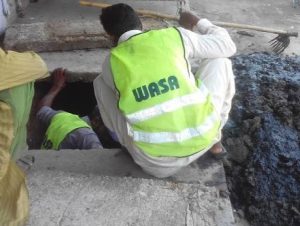
The case of Wasa sewermen is even more sensitive. Landing in sewer lines and drains is not a trivial task. This is directly related to human life and health. There have been incidents in the past in which sewer men lost their lives. However, if a worker falls into a sewer without proper safety equipment, it is not just an employee problem, but a system-wide problem.
A man who descends into the gutter has not only a rope in his hands, but also the hopes of a family behind him.
Safety shoes, gloves, masks, helmets, suitable clothing, gas checking devices and other necessary safety measures are not an added convenience but a basic requirement for a worker. If the work is hazardous, protective equipment should also be mandatory.
Even more alarming is that if a worker refuses to enter the sewers due to lack of safety equipment, he is allegedly threatened with dismissal or action. If this is happening somewhere, this behavior needs immediate attention.
کسی انسان کو روزگار کے خوف اور جان کے خطرے میں سے ایک کا انتخاب کرنے پر مجبور نہیں کیا جانا چاہیے۔
Similarly, street sweepers are also an integral part of our city. Those working in dust, fumes, heat, cold and traffic should also have adequate protective jackets, gloves, masks, shoes and other necessary equipment. Their protection is not only the responsibility of the institution, but also the hallmark of a civilized society.
The good news is that legislation and initiatives are being taken at the leadership level of the country for the rights, protection and welfare of religious minorities. Be it the Prime Minister of Pakistan or the Chief Minister of Punjab, there are positive announcements and initiatives regarding minorities on various occasions. Assemblies also legislate. All this is certainly commendable.
But the real success will come when the policy made from Islamabad and Lahore reaches the Faisalabad office, field and gutters.
Laws look beautiful in books, but their true spirit is seen when a common worker gets his due, when a sanitation worker is respected, when a sewerman is given safety gear and when a minority employee realizes that he is an equal citizen of the same country.
We have to understand that a sanitation worker is not just a "sanitary worker", he is also a human being. He also has children, parents, wife, siblings, dreams and hopes for the future. His life is as valuable as that of an officer sitting in an office. The only difference is that one person works between the files and the other gets down to the streets, roads and sewers to keep the city moving.
Management of Faisalabad Waste Management Company and WASA should conduct a transparent review of daily wages and long-serving workers' issues. Practical means should be found for the protection and permanence of their employment wherever laws and regulations permit. The concerns of workers belonging to religious minorities should also be heard and there should be an effective and impartial mechanism for redressal of any grievance.
At the same time, the provision of protective equipment to WASA sewermen and waste management field workers should be made a mandatory practical responsibility rather than a paper work. Because development is not just the name of building new roads, bridges and buildings.
The real development is that the person who cleans the road is also safe. Whoever lands in the gutter, he also returns home alive and well. And the minority citizen who is serving Pakistan should also be considered an equal Pakistani.
We clean our homes on Eid, also take care of those hands that clean the city. These hands do not belong to any other country. These are the hands of Pakistan.


